


Therapy for Endometriosis
When endometriosis takes up so much space there's barely any left for you.
You've spent years fighting to be believed. Fighting through pain, through appointments, through partners and colleagues and doctors who didn't quite get it. And somewhere in all of that fighting, you lost track of who you are when you're not managing your endo.
I'm Aimee, a psychotherapist specialising in working with women on identity, relationships and the patterns that keep repeating no matter how hard you try to change them.
I also have endometriosis, so when I say I understand what it does to your sense of self, your body and your closest relationships, I mean that in more ways than one. Endometriosis isn't just a physical condition. It gets into everything.
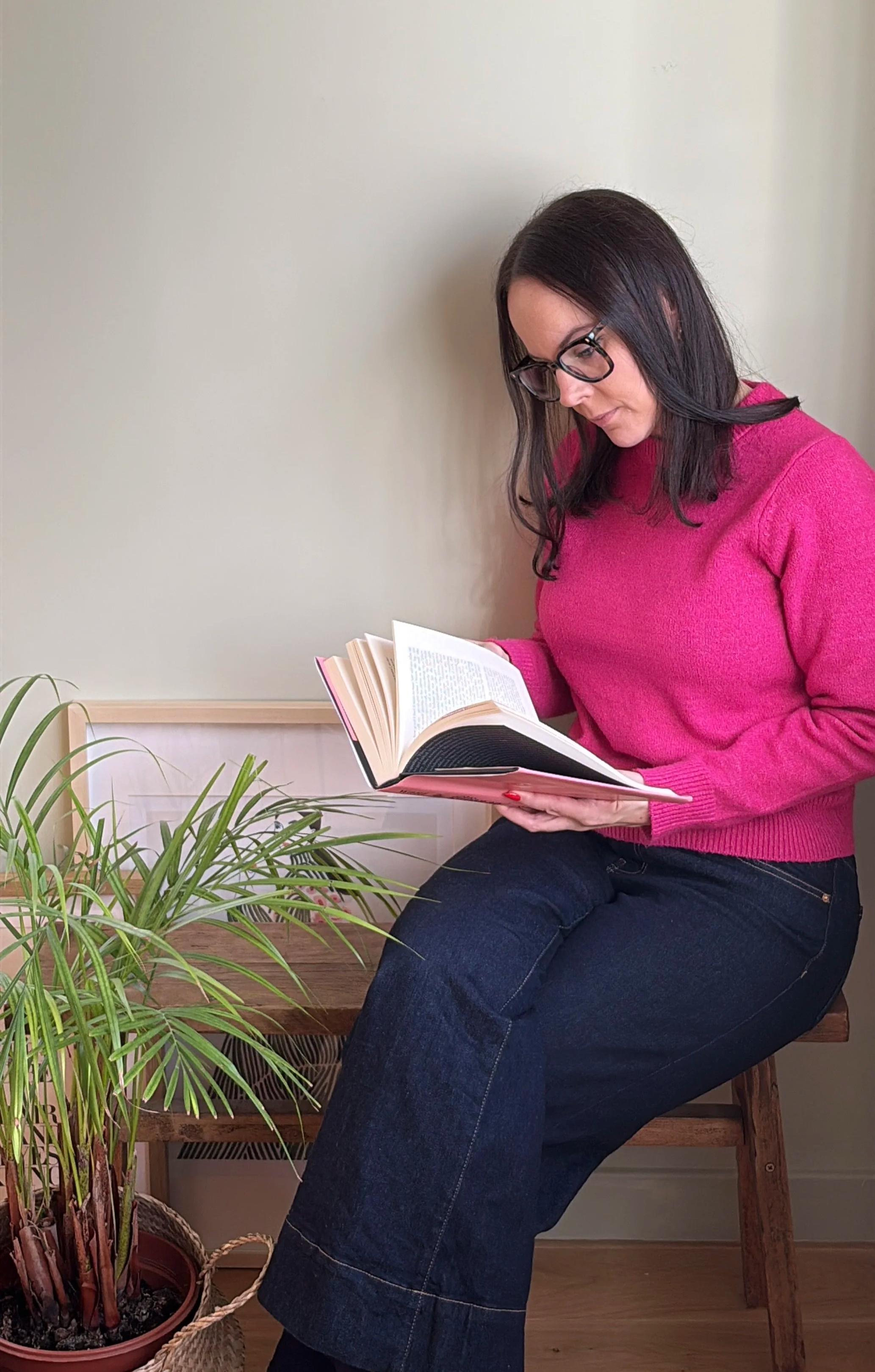
Endometriosis and the pain of never quite being believed.
Before we even get to endo’s impact on relationships, intimacy or identity, there's something that needs naming:
You probably spent years being told it was just “bad periods”, that everyone feels like this or that you were being a bit dramatic and a hot water bottle would sort you out.
Meanwhile you were managing a level of pain that would floor most people, whilst turning up, holding it together and quietly wondering if you were going mad.
That experience leaves a mark. Not just on your body, but on how much you trust your own perceptions. On how loudly you feel able to speak up, in medical settings, in relationships and in your own life. And especially on whether you believe your needs are worth the fuss.
That's what years of not being believed does to a woman.

What endometriosis does to your relationships, your sex life and your sense of yourself.
Endometriosis doesn't just live in your body. It reshapes how you see yourself.
Sex becomes something to negotiate rather than enjoy. You pull away from intimacy… not because you don't want connection, but because your body has made connection feel complicated, painful, or loaded with shame. Over time desire can get buried under pain management, while the version of yourself that felt at home in her body starts to feel very far away.
There's the relational weight of it too. The guilt of cancelled plans. The exhaustion of explaining yourself. The fear that eventually the people you love will run out of patience.
And then there's the identity question that sits underneath all of it: who are you when your body has been the thing you've been fighting, managing and apologising for most of your adult life? And where is the grief for the version of yourself that existed before endo became the thing your entire life organises itself around?
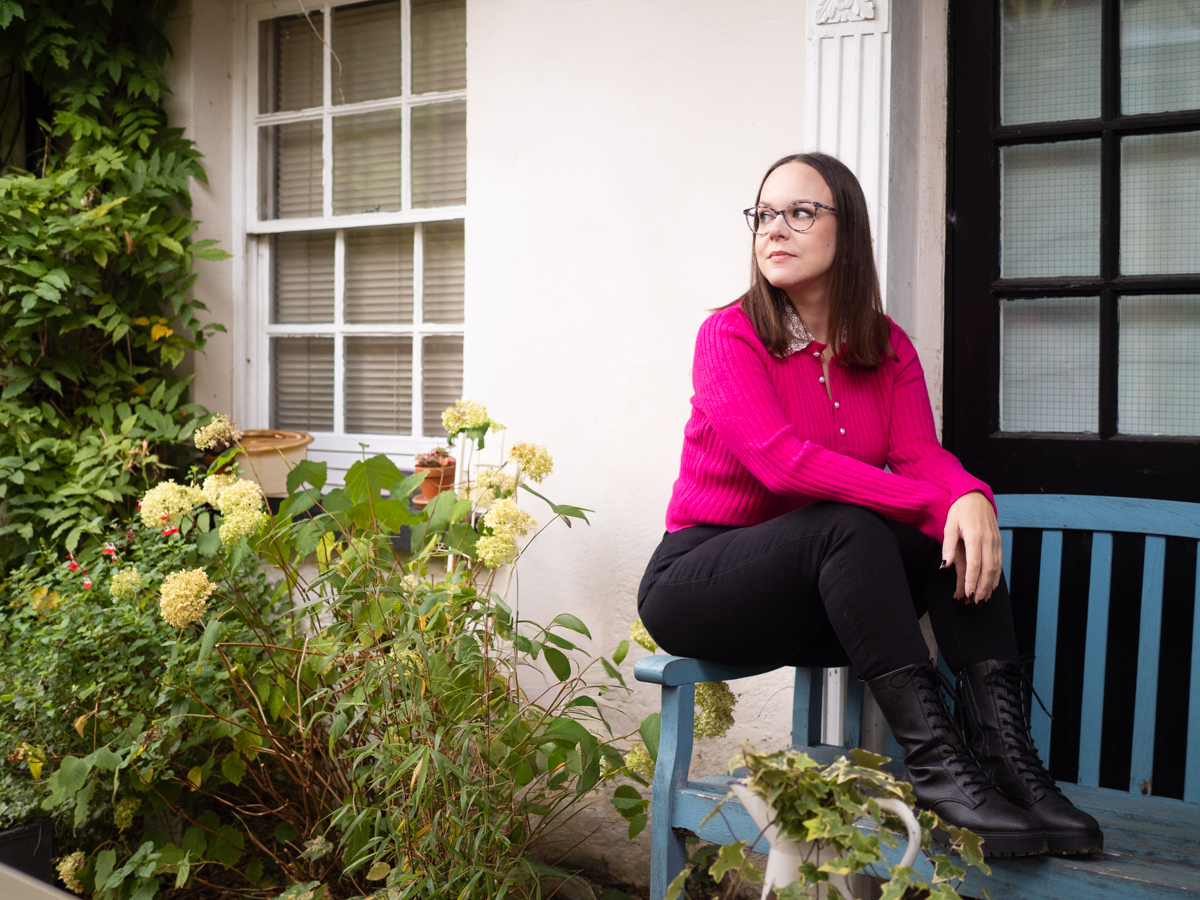
Why endometriosis and losing yourself in relationships often go hand in hand.
Here's something that comes up again and again in therapy with women who have endometriosis:
The same skills that got you through years of undiagnosed pain (minimising, adapting, putting others at ease, pushing through and not making a fuss) are the same patterns that show up in your relationships.
You've become extraordinarily good at making yourself smaller so that other people are comfortable, anticipating what everyone else needs before they've asked and managing your pain quietly so it doesn't inconvenience anyone.
At some point that stopped being just about the endo, it became how you move through the world, how you love… And how you lose yourself.
That's what chronic pain and chronic dismissal teaches a woman about her own worth. It's exactly the kind of pattern that depth therapy can actually get underneath.
Endometriosis therapy that goes beyond pain management.
Most support for endometriosis focuses on the physical: surgery, medication, pain management, lifestyle changes. And if you've navigated all of that and you're still here, reading this, you already know it doesn't touch the psychological weight of it.
The therapy I offer isn't about managing endometriosis. It's about understanding what living with endo has done to your sense of self, your relationships, and the patterns you've developed to survive it.
That means we might explore why you find it so hard to ask for what you need, in relationships and in medical settings. What it means that you've spent years minimising your own pain for the comfort of others. How chronic dismissal has shaped what you believe you deserve. What intimacy, desire, and your own body mean to you now, and what you want them to mean.
This is depth work. It's not quick and it's not always comfortable. But it's the kind of work that shifts something.